Why You Absolutely Need a Living Trust Attorney: A Comprehensive Guide
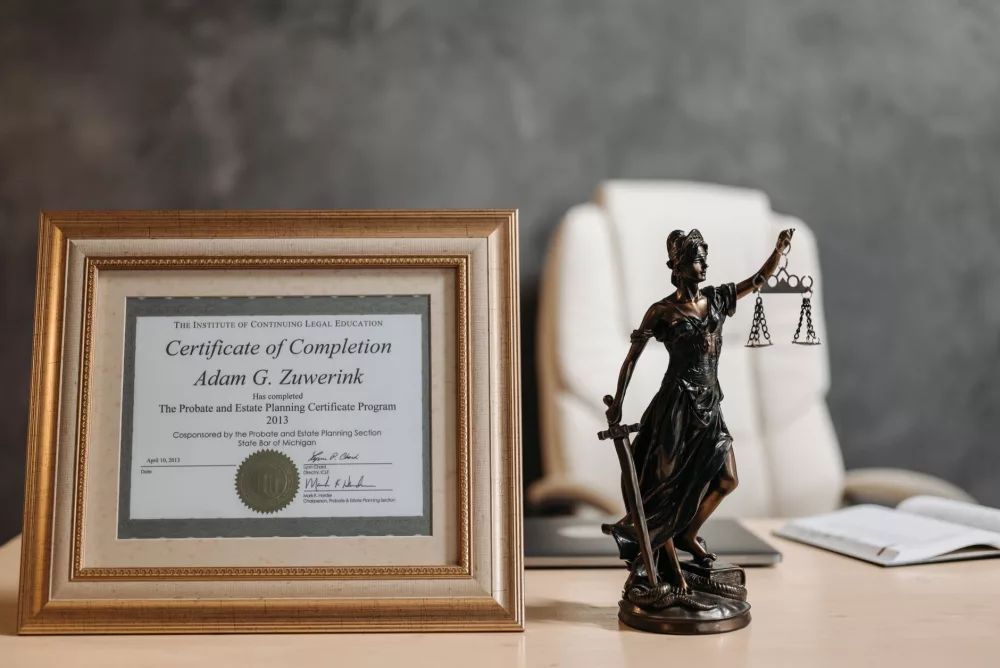
When I talk to people about estate planning, one of the first things that often comes up is the idea of a living trust. It's a powerful tool, no doubt about it, but it’s also something that many folks try to tackle on their own. And honestly, that’s where I see a lot of problems start. I’ve seen enough DIY estate plans go sideways to tell you straight: having a qualified living trust attorney on your side isn’t just a good idea; it’s practically essential if you want things done right and truly protect your loved ones.
You might be thinking, “Can’t I just download a form online?” Sure, you can. You can also try to fix your own leaky roof or do your own appendectomy, but you probably wouldn't, right? A living trust involves your family, your assets, and your legacy. It's too important to leave to guesswork or generic templates.
What Exactly Is a Living Trust? I Mean, Really?
Before we get into why an attorney is so critical, let's quickly touch on what a living trust actually is. I see it as a legal arrangement that allows you, the 'grantor' or 'settlor,' to transfer ownership of your assets (like your home, investments, bank accounts) into the trust during your lifetime. You typically name yourself as the initial 'trustee' so you maintain complete control over these assets. Then, you name a 'successor trustee' who steps in to manage or distribute these assets according to your instructions when you become incapacitated or pass away. It's a way to plan for both eventualities, which I think is incredibly smart.
Revocable vs. Irrevocable: There's a Big Difference
There are generally two main types we deal with: revocable and irrevocable. Most people opt for a revocable living trust because it means you can change, amend, or even cancel it at any time. It's flexible. An irrevocable trust, on the other hand, is pretty much set in stone once it's created. You can't easily change it, and those assets are out of your control. Why would anyone want that? Well, it offers greater asset protection and potential tax benefits, but it's not for everyone. An attorney can help you figure out which one, if either, makes sense for your unique situation.
Why You Absolutely Can't Skimp on a Living Trust Attorney
Okay, so now that we know what it is, let's get down to brass tacks. Here's why I believe a living trust attorney is indispensable:
- Avoiding Probate is Key: This is probably the biggest reason most people consider a living trust. Probate is that court-supervised process where your will is validated, assets are inventoried, debts are paid, and then what’s left is distributed. It's public, it can be lengthy (months, sometimes years), and it's expensive. I've seen families get completely drained by probate fees and legal costs. With a properly funded living trust, assets held within it typically bypass probate entirely. That means a quicker, private distribution to your beneficiaries. An attorney makes sure it's set up correctly to achieve this.
- Ensuring Privacy for Your Loved Ones: Unlike a will, which becomes a public document once it goes through probate, a living trust is a private document. Your assets, your beneficiaries, and the terms of distribution remain confidential. I think that's a huge relief for many families.
- Maintaining Control Over Your Legacy: A living trust allows you to specify exactly how and when your assets are distributed. Do you want your grandchild to receive their inheritance at age 21, or perhaps in installments over several years? Do you want to ensure funds are used for education? A trust lets you put those conditions in place. A generic form just won't give you that level of nuanced control.
- Incapacity Planning: It's Not Just About Death: What if you become seriously ill or incapacitated and can't manage your own affairs? A living trust includes provisions for a successor trustee to step in and manage your assets for your benefit without the need for a costly and often humiliating guardianship or conservatorship court proceeding. I've seen firsthand how much peace of mind this brings to clients.
- Navigating Complex Family Dynamics: Blended families, children with special needs, potential spendthrifts—these are all situations where a standard will might fall short. A living trust, carefully drafted by an attorney, can address these complexities with specific clauses designed to protect all parties and fulfill your wishes.
- Understanding Tax Implications: While a revocable living trust doesn't directly offer estate tax benefits for most people (because you still control the assets), an attorney can advise you on more advanced strategies if your estate is large enough to be subject to federal or state estate taxes. They can also explain the stepped-up basis rules for capital gains. It's complicated stuff that you really don't want to mess up.
What Does a Living Trust Attorney Actually Do For You?
It's more than just filling out forms. My job, and the job of any good living trust attorney, involves a lot of crucial steps:
- Listening and Advising: I spend a good deal of time understanding your goals, your family situation, your assets, and your concerns. We discuss your options and I explain everything in plain English, not legalese.
- Drafting Custom Documents: This is where the personalized protection comes in. I don't just use a template; I draft a trust document tailored specifically to your wishes and circumstances. This includes the trust agreement itself, but also a 'pour-over' will (a safety net for assets not funded into the trust), durable powers of attorney for finances and healthcare, and an advance healthcare directive.
- Guidance on Funding the Trust: A trust is useless if it's not 'funded.' This means changing the ownership of your assets from your name to the name of your trust. This is where many DIY trusts fail. I provide clear instructions and often help with the actual transfer of deeds, titles, and beneficiary designations. It's a critical step that people often overlook.
- Review and Execution: We'll carefully review the documents together, making sure every detail aligns with your wishes. Then, we formally sign everything, often with witnesses and a notary, to make it legally binding.
- Ongoing Support and Amendments: Life changes, right? Marriages, divorces, births, deaths, new assets, new laws—your trust might need updates. I'm here to help you amend your trust as your circumstances evolve.
How to Pick the Right Living Trust Attorney: My Two Cents
Finding the right person for this important task isn't something to rush. Here's what I'd look for:
- Experience and Specialization: Look for someone who focuses on estate planning and has significant experience drafting living trusts. This isn't a job for a general practitioner who dabbles in a bit of everything.
- Communication Style: You want someone who can explain complex legal concepts in a way that makes sense to you. Are they patient? Do they answer your questions thoroughly? You should feel comfortable asking anything.
- Fees and Transparency: Ask about their fee structure upfront. Many estate planners work on a flat fee for a trust package, which I find really helpful for clients. Make sure there are no hidden costs.
- Rapport: This person will be privy to very personal information about your family and finances. You need to feel comfortable and trust them implicitly.
Don't DIY Your Legacy
I can’t stress this enough: While the internet offers a lot of information and even forms, it simply can’t replace the personalized advice and expertise of a seasoned living trust attorney. Your estate plan is a reflection of your care for your family and your future. Don't leave it to chance. Invest in professional guidance, and you’ll gain immense peace of mind knowing that your legacy is secure and your loved ones will be protected exactly as you intend.
About Editorial Team
Senior columnist and culture critic specializing in architectural designs, emerging high-growth systems, and contemporary philosophies.
All Categories
Recent Posts



United Rentals: The Unseen Force Powering America's Infrastructure