Mastering Your Skincare: The Definitive Guide to Finding the Best Moisturizer for Acne-Prone Skin
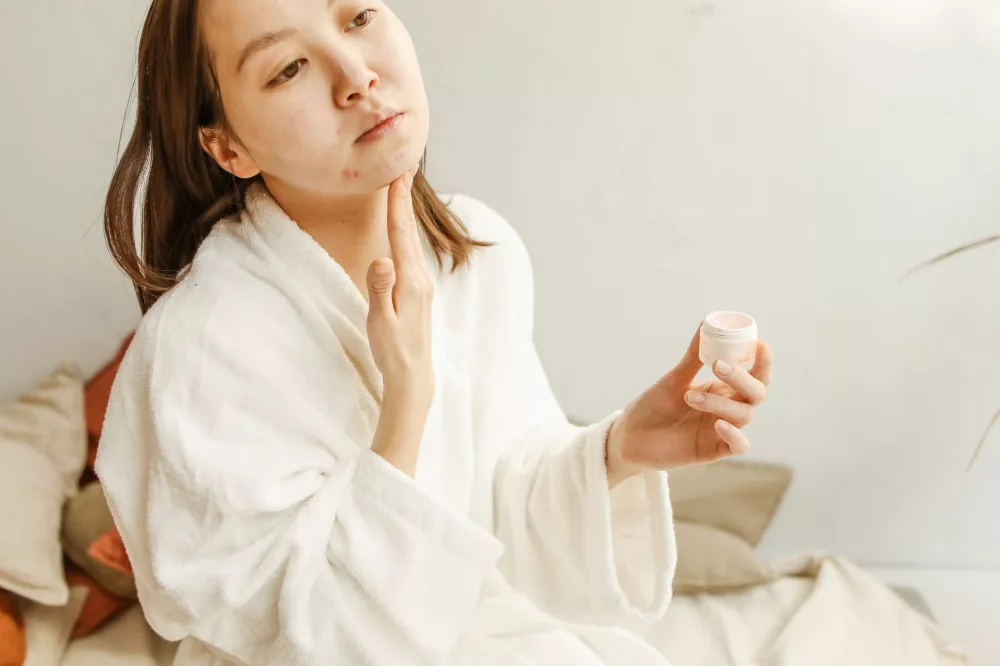
Dealing with acne can be incredibly frustrating, can't it? I know this all too well. For years, I wrestled with breakouts, convinced that the key to clear skin was to dry it out completely. My bathroom cabinet was a graveyard of harsh cleansers and astringent toners, all promising to zap blemishes away. The idea of putting *more* moisture on already oily, breakout-prone skin felt counterintuitive, even a little scary. Many of us have been there, living under the mistaken belief that if our skin is oily, it surely doesn't need hydration. Well, let me tell you, that's where we often go wrong.
The Moisturizer Myth: Why Your Acne-Prone Skin Craves Hydration
It's a common misconception, isn't it? The thought process usually goes something like this: my skin is oily, so adding a moisturizer will just make it oilier and cause more breakouts. I used to subscribe to that philosophy entirely. The truth, however, is quite the opposite. When you strip your skin of moisture – by using harsh products or simply by not moisturizing – your skin goes into overdrive. It thinks it's under attack, drying out, and what does it do? It produces *even more* oil to compensate. This excess sebum can clog pores, creating a perfect storm for new blemishes and perpetuating the cycle of breakouts.
Think about it: healthy skin relies on a strong skin barrier. This barrier is your body's first line of defense against environmental aggressors, bacteria, and moisture loss. When this barrier is compromised, which often happens with acne treatments that can be drying, your skin becomes more susceptible to irritation and inflammation. A good moisturizer helps to repair and maintain this crucial barrier function, keeping your skin calm, hydrated, and less prone to reacting.
"Skipping moisturizer can actually exacerbate acne by triggering excess oil production and compromising the skin's natural protective barrier. It's a vicious cycle we absolutely need to break."
Decoding the Label: What Ingredients to Absolutely Look For
Choosing the right moisturizer for acne-prone skin isn't just about finding something labeled "oil-free." Oh no, it’s much more nuanced than that. It’s about understanding the powerhouse ingredients that can actively support your skin without clogging pores or causing irritation. From my own trial-and-error, and countless hours researching, I’ve zeroed in on a few heroes.
Salicylic Acid (BHA)
- What it does: This isn't just for spot treatments, friends. Salicylic acid is a beta-hydroxy acid that's oil-soluble, meaning it can penetrate deep into your pores to dissolve sebum and dead skin cells. It's fantastic for preventing blackheads and whiteheads.
- Why it's great in a moisturizer: When incorporated into a moisturizer, it offers gentle, consistent exfoliation without the harshness of a standalone treatment. It helps keep pores clear over time.
Niacinamide (Vitamin B3)
- What it does: Oh, niacinamide, where do I even begin? This ingredient is a true multi-tasker. It helps reduce inflammation and redness, minimizes the appearance of pores, improves skin tone, and strengthens the skin barrier.
- Why it's great in a moisturizer: For acne-prone skin, its anti-inflammatory properties are key. It calms angry breakouts and helps fade post-inflammatory hyperpigmentation (those pesky red or brown marks left behind).
Hyaluronic Acid
- What it does: Don't let the word "acid" scare you. Hyaluronic acid is a humectant, meaning it attracts and holds onto water, drawing moisture from the air and locking it into your skin. It can hold up to 1,000 times its weight in water!
- Why it's great in a moisturizer: It provides intense hydration without feeling heavy or greasy. It's non-comedogenic and perfect for plumping up the skin, making it feel supple and smooth, which is something we all want, right?
Ceramides
- What it does: Ceramides are lipids (fats) that are naturally found in high concentrations in the uppermost layers of your skin. They play a vital role in forming the skin's barrier and helping it retain moisture.
- Why it's great in a moisturizer: If your skin barrier is compromised (which it often is if you're using acne treatments), ceramides help rebuild and strengthen it, reducing irritation and dryness.
"Non-Comedogenic" and "Oil-Free" Labels
These labels aren't just marketing buzzwords; they’re your best friends. "Non-comedogenic" means the product has been formulated not to clog pores. "Oil-free" typically means it won't add extra oil to your skin, making it suitable for oily types. Always look for these terms.
The No-Go Zone: Ingredients to Steer Clear Of
Just as important as knowing what to look for is understanding what to avoid. Some ingredients, while fine for other skin types, can wreak havoc on acne-prone skin. Trust me, I've learned this the hard way more times than I care to admit.
- Heavy, Occlusive Oils: Think mineral oil, petrolatum, or certain plant oils like coconut oil. While some plant oils can be beneficial, heavy ones can sit on the skin, creating a film that traps dead skin cells and sebum, leading to clogged pores.
- Fragrance (Synthetic & Natural): Oh, how I used to love a beautifully scented product! But fragrances, whether synthetic or from essential oils, are common irritants. They can trigger inflammation and redness, making breakouts worse and potentially leading to contact dermatitis.
- Alcohol Denat (Denatured Alcohol): This is a big one. While it might give an initial feeling of tightness and oil control, it's incredibly drying and can strip your skin of its natural oils, leading right back to that overproduction of sebum we discussed earlier.
- Harsh Exfoliants (in daily moisturizers): If you’re already using a separate exfoliating serum, having another strong exfoliant in your daily moisturizer might be overkill and lead to irritation.
Application Matters: How to Get the Most Out of Your Moisturizer
It's not just about *what* you use, but *how* you use it. I've found that a thoughtful application routine can make a world of difference.
- Apply to Damp Skin: This is a game-changer! After cleansing and toning, while your skin is still slightly damp, apply your moisturizer. This helps to lock in that extra hydration.
- Use a Small Amount: A little goes a long way. You don't need a huge dollop. Start with a pea-sized amount and gently massage it into your face and neck.
- Gentle Touch: Your skin is delicate, especially when it’s acne-prone. Avoid aggressive rubbing or pulling, which can irritate existing breakouts.
- Consistency is Key: Moisturize twice daily – morning and night – after cleansing and any active treatments. This routine will help maintain your skin's barrier around the clock.
Finding Your Perfect Match: Types of Moisturizers to Consider
The world of moisturizers is vast, but for acne-prone skin, certain formulations tend to work better.
Gel Moisturizers
These are often my go-to, especially in warmer months. Gel formulas are typically lightweight, water-based, and absorb quickly without leaving any residue. They’re usually packed with hydrating humectants like hyaluronic acid but are free from heavy oils.
Lightweight Lotions
A step up from gels in terms of richness, but still far from heavy creams. Lightweight lotions strike a great balance, offering sufficient hydration and barrier support without feeling occlusive. They often contain a mix of humectants and emollients.
Oil-Free Creams (Carefully Chosen)
Yes, even creams can be suitable if they’re specifically formulated to be oil-free and non-comedogenic. These can be a good option for those whose acne-prone skin also experiences significant dryness, perhaps due to strong prescription treatments. Always check the ingredient list meticulously!
A Final Thought on Sunscreen
You know, after all this talk about moisturizers, it would be a disservice not to mention sunscreen. Many acne treatments, especially those containing retinoids or AHAs, make your skin more sensitive to the sun. Incorporating a broad-spectrum SPF 30+ into your morning routine, ideally one that’s also non-comedogenic and lightweight, is non-negotiable. Some moisturizers even come with SPF built-in, offering a convenient two-in-one solution. But if yours doesn't, please, apply it as a separate, final step in your morning regimen. Protecting your skin from UV damage is just as vital for healthy skin as proper hydration, and it helps prevent the darkening of post-acne marks.
Ultimately, finding the best moisturizer for your acne-prone skin might take a little patience and experimentation. What works wonders for one person might not be perfect for another. But armed with this knowledge about ingredients to embrace and those to avoid, and the understanding that hydrated skin is happy, healthier skin, you’re well on your way to a clearer, more balanced complexion. Don't give up on finding your skin's perfect drink!
About Editorial Team
Senior columnist and culture critic specializing in architectural designs, emerging high-growth systems, and contemporary philosophies.
All Categories
Recent Posts


United Rentals: The Unseen Force Powering America's Infrastructure