Navigating a Theft Charge: Why a Theft Attorney is Your Strongest Ally
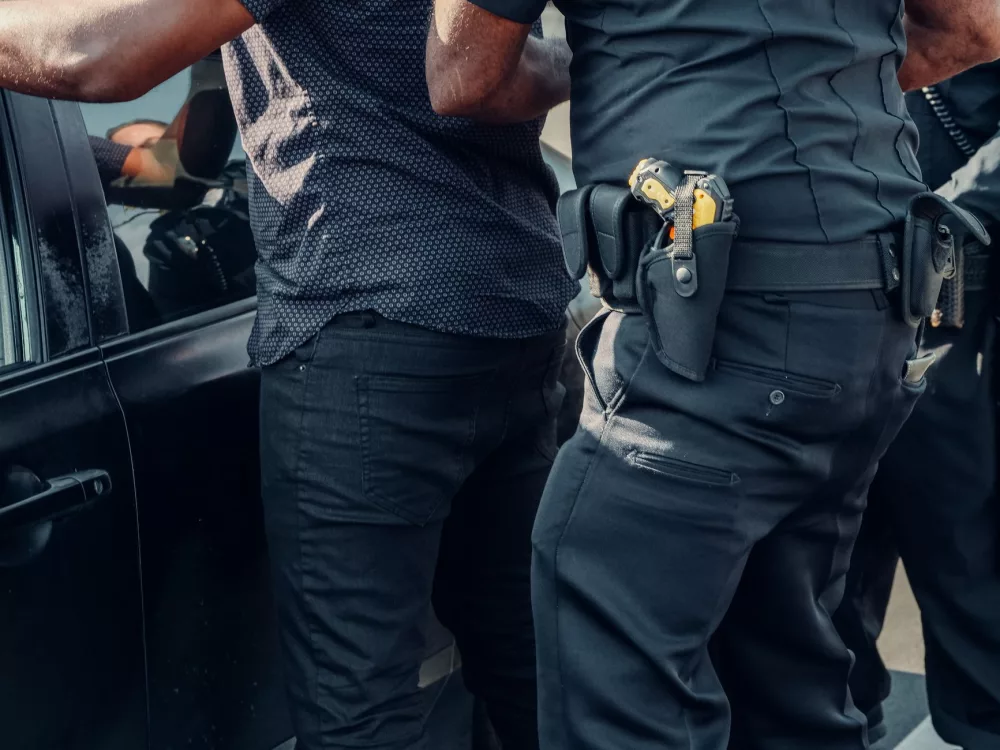
Facing a Theft Charge? Don't Go It Alone.
Getting accused of theft, any kind of theft, can really throw your life into disarray. It’s not just a minor hiccup; a theft charge carries some serious weight, potentially leading to fines, jail time, and a criminal record that could follow you for years. Trust me, I've seen firsthand how these situations can snowball if they're not handled correctly right from the start. That's precisely why understanding the critical role of a skilled theft attorney isn't just helpful, it's absolutely essential.
We’re talking about your freedom, your financial stability, and your reputation here. These aren't things you want to leave to chance. When the police are questioning you, or you receive a summons, your immediate thought should be, "I need to speak with a lawyer." Seriously, the decisions you make in those initial hours and days can significantly impact the entire outcome of your case. Let's dig into why having an expert theft attorney by your side is such a game-changer.
What Exactly Does a Theft Attorney Do for You?
Think of your theft attorney as your personal legal guide and protector through what can often feel like a very confusing and intimidating maze. They don't just stand next to you in court; their work begins much, much earlier, and it's incredibly comprehensive.
- Initial Consultation and Case Evaluation: We start by listening to your story, really understanding the nuances of your situation. We'll review the specifics of your arrest, any evidence gathered, and the charges filed against you. This helps us get a clear picture of what we're up against and begin strategizing.
- Protecting Your Rights: Did the police follow proper procedure? Were your rights violated during the arrest or questioning? A good attorney knows the law inside and out and can identify any missteps by law enforcement that could lead to evidence being suppressed or charges being dropped.
- Investigation: Sometimes, the official police report doesn't tell the whole story. We might conduct our own independent investigation, gathering witness statements, reviewing surveillance footage, or looking for other pieces of evidence that could support your defense.
- Negotiation with Prosecutors: Many theft cases are resolved through plea bargains. Your attorney will negotiate fiercely with the prosecution to try and get the charges reduced, or even dismissed entirely, perhaps in exchange for community service, restitution, or a diversion program. We're always aiming for the best possible outcome without going to trial.
- Court Representation: If a fair plea agreement can't be reached, we'll be ready to defend you vigorously in court. This involves everything from jury selection and presenting evidence to cross-examining witnesses and making compelling arguments on your behalf.
- Sentencing Advocacy: Even if a conviction occurs, our work isn't done. We'll advocate for the lightest possible sentence, presenting mitigating factors to the judge.
It's a lot, right? This isn't something you can just Google your way through effectively.
The Many Faces of Theft Charges You Might Encounter
“Theft” isn't just one thing; it's a broad category encompassing a whole range of offenses, and the specific laws can vary quite a bit from state to state. What's considered petty theft in one jurisdiction might be grand theft in another, and the penalties reflect that difference.
- Shoplifting: This is a super common one. It involves taking merchandise from a store without paying. The value of the stolen goods usually determines if it's a misdemeanor or a felony.
- Petty Theft vs. Grand Theft: Generally, this distinction comes down to the monetary value of the items stolen. Petty theft involves lower-value goods, while grand theft involves higher-value property.
- Embezzlement: This happens when someone who has lawful access to funds or property (like an employee or a trustee) illegally takes them for personal use. It's often a breach of trust.
- Auto Theft: Plain and simple, it's taking someone else's car without their permission.
- Robbery: This is theft by force or threat of force, often involving a weapon. It's considered a violent crime and carries very severe penalties.
- Burglary: Entering a building or dwelling with the intent to commit a crime, often theft. You don't even have to successfully steal anything for it to be burglary.
Each of these has its own set of legal elements that the prosecution must prove, and your attorney understands how to challenge each of them effectively.
What Happens Next? The Legal Process Unpacked
When you're facing a theft charge, the legal process can feel like a daunting, drawn-out affair. Here’s a simplified breakdown of what you can generally expect:
- Arrest and Booking: If you're arrested, you'll be taken to the police station for booking, which includes fingerprinting and mugshots.
- Arraignment: This is your first court appearance. The charges against you will be formally read, and you'll enter a plea (usually not guilty). Bail might be set at this point.
- Discovery: Both sides exchange information. The prosecution provides evidence they plan to use against you, and your attorney might share elements of your defense.
- Pre-Trial Motions: Your attorney might file motions to suppress evidence, challenge procedures, or request dismissals.
- Plea Bargaining: Most cases are resolved here. Your attorney will negotiate with the prosecutor to see if a deal can be struck that avoids a trial.
- Trial: If no plea agreement is reached, your case goes to trial. A judge or jury will hear the evidence and arguments from both sides and deliver a verdict.
- Sentencing: If you're convicted, the judge will determine your punishment based on legal guidelines and the specifics of your case.
It's a marathon, not a sprint, and having a knowledgeable guide really makes a difference.
Smart Defenses Your Theft Attorney Might Use
An experienced theft attorney has a whole toolkit of strategies to employ. They know that every case is unique, and they'll tailor a defense specifically for your situation.
- Lack of Intent: This is a big one. To be convicted of most theft crimes, the prosecution must prove you intended to permanently deprive the owner of their property. If you genuinely believed the item was yours, or you intended to return it, that can be a strong defense.
- Mistaken Identity: “It wasn't me!” Eyewitness testimony can be unreliable, and if there's solid evidence that you were mistakenly identified, that's powerful.
- Claim of Right: If you honestly believed you had a legal right to the property, even if you were wrong, it might negate the intent to steal.
- Duress: If you were forced to commit the theft under threat of harm to yourself or someone else, this could be a valid defense.
- Entrapment: This occurs when law enforcement induces someone to commit a crime they wouldn't have otherwise committed.
- Insufficient Evidence: Sometimes, the prosecution simply doesn't have enough solid evidence to prove guilt beyond a reasonable doubt. Your attorney will highlight these weaknesses.
My job is to find the holes in the prosecution's case and build the strongest defense possible for you.
The Serious Consequences of a Theft Conviction
I can't stress enough how a theft conviction can negatively impact your future. It's not just a slap on the wrist. The consequences can be far-reaching:
- Jail or Prison Time: Depending on the severity of the theft and your criminal history, you could be facing incarceration.
- Hefty Fines: Courts often impose significant financial penalties.
- Probation: This involves strict conditions, regular check-ins, and potential restrictions on your movement. Violating probation can land you back in jail.
- Criminal Record: This is perhaps the most insidious consequence. A criminal record for theft can make it incredibly difficult to find a job, secure housing, or even get certain professional licenses. It affects your reputation and social standing.
- Restitution: You might be ordered to pay back the victim for their losses.
- Immigration Issues: For non-citizens, a theft conviction can have severe immigration consequences, including deportation.
Honestly, these are life-altering penalties, and that's why professional legal representation isn't just an option; it's a necessity.
Why You Absolutely Need Expert Representation
Look, the legal system is complex. It's designed to be navigated by professionals. Trying to handle a theft charge on your own is like trying to perform surgery on yourself – you just don't have the tools, the knowledge, or the experience to get the best outcome. Prosecutors have vast resources and experience on their side; you need someone who can stand shoulder-to-shoulder with them and advocate for your rights and your best interests.
We understand the local laws, we know the local judges and prosecutors, and we can anticipate their moves. This isn't just about knowing the law; it's about knowing how the system works in practice.
Choosing the Right Theft Attorney for Your Case
So, how do you pick the right person to represent you during such a stressful time? Here are a few things I think you should consider:
- Experience with Theft Cases: You want an attorney who specializes in criminal defense, and specifically has a strong track record with theft cases. Every area of law has its nuances.
- Local Knowledge: Legal procedures and even local court cultures can vary. An attorney familiar with the specific courts and prosecutors in your area will have a definite advantage.
- Communication Style: You need someone who listens to you, explains things clearly without all the confusing legal jargon, and keeps you informed every step of the way.
- Reputation: Check reviews, ask for referrals, and try to get a sense of their standing in the legal community.
- Comfort Level: Ultimately, you need to feel comfortable and confident with the person you choose. This is a very personal and important decision.
When you're facing a theft charge, it's a serious matter with potentially life-altering consequences. Don't hesitate to reach out for professional legal help. A skilled theft attorney is your best defense, providing the guidance, advocacy, and protection you desperately need to navigate the legal system and fight for the best possible outcome. Your future could depend on it, so act quickly.
About Editorial Team
Senior columnist and culture critic specializing in architectural designs, emerging high-growth systems, and contemporary philosophies.
All Categories
Recent Posts



United Rentals: The Unseen Force Powering America's Infrastructure